How to Travel Europe for Under $50 a Day: The Complete Budget Guide
How to Travel Europe for Under $50 a Day: The Complete Budget Guide

Photo by Ketut Subiyanto on Pexels
Choose the Right European Countries for Budget Travel
The foundation of budget Europe travel rests on destination selection. Eastern European countries consistently deliver exceptional value without requiring compromise on experience. Poland offers remarkable history, vibrant cities, and museum-quality architecture at a fraction of Western European prices. A hearty meal in Warsaw or Krakow typically costs $6-$10, while accommodation in quality hostels ranges from $15-$25 per night. Hungary, particularly Budapest, delivers thermal baths, palatial architecture, and thermal spas for $3-$5 per entry, with street food meals available for $4-$6. Romania combines medieval towns, mountain hiking, and Carpathian wildlife at similarly modest costs, with mountain guesthouses offering accommodation for $12-$20 nightly.
Portugal and Greece remain surprisingly affordable within Western Europe, especially outside peak summer months. The Algarve in southern Portugal features beach towns where accommodation runs $20-$30 and meals at local tascas (traditional restaurants) cost $7-$12. Greek islands beyond Santorini and Mykonos—places like Paros, Naxos, and lesser-known Cycladic islands—offer whitewashed villages, Mediterranean cuisine, and beach access for $25-$40 daily. Albania, still relatively undiscovered, presents coastal beauty and mountain trekking at bargain rates, with meals under $5 and guesthouses at $15-$20. The Czech Republic, particularly Prague's outskirts and smaller towns like Český Krumlov, maintains low prices despite tourism, with beer costing $2-$3 per pint and traditional Czech meals available for $8-$12.
Master the Accommodation Equation
Accommodation typically consumes 40-60% of daily travel budgets, making smart choices essential for budget Europe travel. Hostels represent the most economical option, with quality establishments offering private lockers, free WiFi, and communal kitchens for $12-$20 per night in Eastern Europe and $20-$35 in Western European budget destinations. Platforms like Hostelworld.com and Booking.com filter by price and amenities; seeking out hostels with guest kitchens enables travelers to prepare breakfasts and simple dinners, reducing meal costs by 50%. Many hostels offer free walking tours led by local guides, providing orientation and insider knowledge without expenses.
Beyond hostels, budget accommodations proliferate across Europe. Guesthouses and family-run pensions in Eastern European towns charge $15-$25 nightly and often include breakfast. Airbnb's budget filter reveals shared rooms and private studios at competitive rates, particularly in off-season months. Work-exchange programs through platforms like WorkAway and HelpX offer free or reduced accommodation in exchange for 4-5 hours daily work—ideal for extending budgets while living like locals. Couchsurfing, though requiring careful vetting and community standing, provides free lodging while facilitating genuine local connections. Train stations in smaller towns occasionally feature budget hotels charging $20-$30; staying outside city centers and commuting via local transit saves 30-40% compared to central locations.

Photo by Ketut Subiyanto on Pexels
Eating Like Locals Without Breaking the Bank
Food represents the second-largest budget category, yet strategic eating transforms this from expense to experience. Local markets—like Barcelona's La Boqueria, Budapest's Great Market Hall, or Lisbon's Ribeira Market—offer fresh produce, cheese, bread, and prepared foods at 50-70% less than restaurant prices. A typical market meal of fresh fruit, cheese, bread, and cured meat costs $5-$8 and provides sustenance while revealing authentic local food culture. Supermarkets like Lidl and Aldi, ubiquitous across Europe, stock prepared salads, rotisserie chicken, fresh bread, and regional specialties at remarkable value—$3-$6 for a complete meal when self-catering.
Restaurant dining doesn't require abandonment for budget Europe travel; instead, focus on lunch rather than dinner and seek establishments away from tourist zones. In Prague, Budapest, and Warsaw, traditional restaurants serving local cuisine charge $8-$12 for satisfying mains—Polish pierogi, Hungarian goulash, Czech schnitzel—while tourist-adjacent restaurants charge double. Many European countries offer "menu del día" or lunch specials at midday for $6-$10, substantially cheaper than evening pricing. Street food culture in Eastern Europe provides exceptional value: Turkish kebabs in Berlin cost $4-$6, Italian arancini in Palermo cost $2-$3, and Spanish bocadillos (sandwiches) run $4-$6. Seeking out neighborhoods where locals eat rather than visible tourist areas consistently yields 30-40% savings. Sampling regional wines in Portugal and Spain costs $3-$5 per glass at local bars rather than $8-$12 at tourist establishments.
Transportation Hacks That Add Up Fast
Transportation between and within European cities can consume significant budgets or remain remarkably economical depending on approach. Bus networks like FlixBus, Eurolines, and regional operators charge $15-$40 for overnight journeys between major cities—substantially cheaper than flights and providing accommodation savings by traveling while sleeping. Booking buses 2-4 weeks ahead yields 40-60% discounts compared to last-minute fares. Overnight buses from Prague to Berlin ($20-$30), Warsaw to Budapest ($25-$35), or Lisbon to Madrid ($20-$28) save both accommodation and transportation costs. Night trains, particularly through Eurail Night services in Central Europe, cost similarly while providing sleeping berths.
Within cities, public transportation passes provide exceptional value. Budapest's 72-hour tram and metro pass costs $18 and includes unlimited city travel plus thermal bath entries. Prague's 3-day passes cost $15 for unlimited metro and tram access. Lisbon's Viva Viagem card provides 10 journeys for $10 or unlimited 7-day travel for $40. Walking ranks as the ultimate budget strategy—many European city centers, particularly old towns in Prague, Krakow, and Athens, are entirely navigable on foot. Flying budget airlines like Ryanair, EasyJet, and Wizz Air carries risks of hidden fees but occasionally offers genuinely cheap routes ($15-$40) when booking during flash sales and accepting basic economy restrictions. Splitting long journeys with travelers through rideshare platforms like BlaBlaCar reduces costs while creating social opportunities.
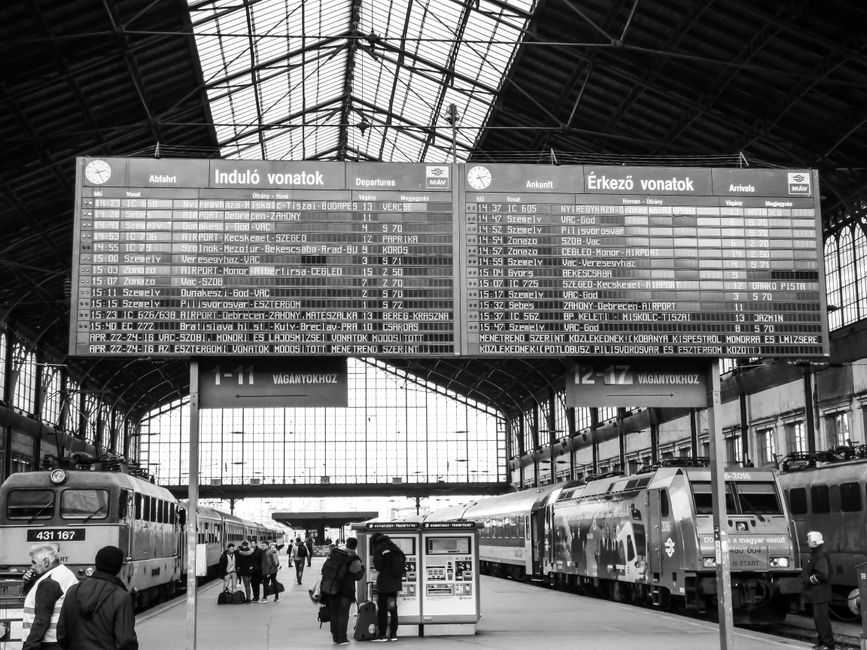
Free and Low-Cost Activities That Define Travel
Europe's greatest attractions need not drain budgets. Free walking tours operate in virtually every major city—Prague, Budapest, Warsaw, Krakow, Athens, Lisbon, Barcelona—where local guides lead 2-3 hour explorations of historic quarters, culminating in optional tip-based compensation (typically €3-€5). These tours provide orientation, insider context, and social connection while remaining entirely free if budgets are tight. Many museums offer free entry on specific days: Athens' archaeological museums free on Sundays, Berlin's museums free on Thursday evenings, and numerous Spanish museums free during evening hours. Churches, cathedrals, and religious sites—including Spain's stunning basilicas, Prague's St. Vitus Cathedral, and Hungary's thermal baths built into baroque structures—charge €3-€8 for entry while providing architectural grandeur rivaling paid attractions.
Nature-based activities provide endless cost-free experiences: hiking in the Carpathian Mountains costs nothing beyond transportation to trailheads, cycling along the Danube valley requires only bike rental ($8-$15 daily), and swimming in thermal lakes and natural hot springs near Iceland's geothermal areas or Hungary's countryside charges nothing. Urban parks, riverfronts, and beaches provide free recreation and social spaces where locals gather. Street performance and busking create free entertainment in major squares—Prague's Old Town Square, Barcelona's Gothic Quarter, and Vienna's pedestrian zones feature world-class musicians performing continuously. Visiting during city festivals, often free or pay-what-you-wish, provides cultural immersion: Prague's Fringe Festival, Budapest's summer open-air cinema series, and Spain's La Tomatina festival in Valencia offer distinctive experiences at minimal cost. Markets themselves function as cultural experiences and entertainment venues beyond shopping purposes.
Timing Your Trip for Maximum Value
Seasonality dramatically impacts budget Europe travel costs. Peak summer (June-August) marks the worst period for budget travelers, with accommodation doubling, restaurants raising prices 30-40%, and attractions extending hours while charging premium admission. Conversely, shoulder seasons (April-May and September-October) deliver pleasant weather with 20-30% lower costs than peak season. Winter (November-March), despite cold temperatures, offers the deepest discounts: accommodation drops 40-60%, flights cost 50-70% less, and tourist attractions become manageable without overwhelming crowds. Late November through early December, after summer tourism ends but before Christmas holidays, represents exceptional value—crisp weather, fewer tourists, and markedly reduced prices.
Avoiding major holidays and school vacations proves essential. July-August attract families on school holidays, spiking prices across Southern Europe. Easter holidays increase Central and Eastern European tourism. Christmas and New Year's mark peak pricing in all regions. Conversely, January-February and November represent budget sweet spots with minimal tourism and maximum value. Traveling Monday-Thursday typically costs less than weekends; flights, accommodation, and restaurant prices often fluctuate by 20-30% between midweek and weekends. Booking accommodation and transportation 6-8 weeks in advance for off-season travel yields the deepest discounts, while last-minute bookings during low season occasionally produce flash deals but carry substantial risk of higher-than-planned costs.
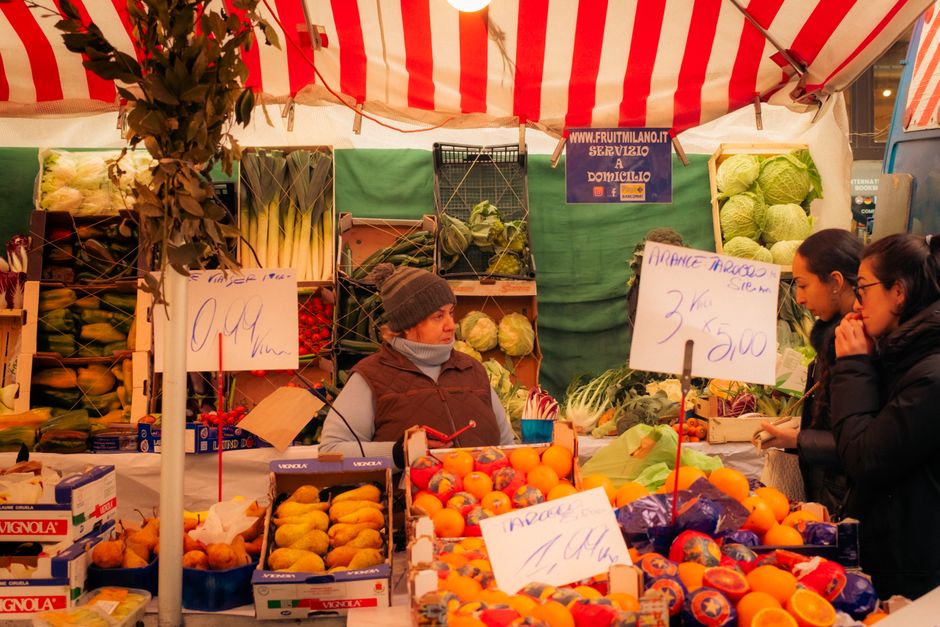
Photo by Apurva Chandwadkar on Pexels
Frequently Asked Questions
Is $50 per day realistic for budget Europe travel in 2024?
Absolutely, though it requires discipline and smart choices. Fifty dollars daily breaks down approximately: accommodation $18-$22, food $15-$18, activities $5-$8, and transportation $5-$8. This budget works most easily in Eastern Europe (Poland, Hungary, Romania, Czech Republic) and Southern Europe's less touristy areas (Portugal's interior, Greek islands beyond Mykonos, southern Spain). Western capitals like London, Paris, and Zurich require higher budgets ($60-$80 minimum), but budget Europe travel remains achievable across the continent with intentional destination and timing choices.
What's the cheapest country in Europe for backpackers?
Albania consistently ranks as Europe's most affordable destination, with meals under $4, accommodation from $12-$18 nightly, and minimal tourism infrastructure premiums. Romania, Bulgaria, and Kosovo follow closely behind. Within more popular regions, Portugal's Alentejo region, Greece's lesser-known islands, and Hungary outside Budapest offer exceptional value. Poland's smaller cities and Slovakia's mountain towns provide stunning experiences at $20-$30 daily total costs.
Should travelers purchase a Eurail Pass for budget Europe travel?
Eurail Passes rarely offer value for budget travelers. A 10-day Global Pass costs $500-$700 monthly, averaging $50-$70 daily just for transportation. For most routes, advance-booked bus tickets (FlixBus, Eurolines) and regional train discounts beat Pass pricing significantly. Eurail Passes only benefit those making 5+ long international journeys within specific timeframes. Budget travelers maximize value through individual ticket bookings, overnight buses, and occasional flights rather than comprehensive rail passes.
What documents and visas are needed for budget Europe travel?
US, Canadian, Australian, and most developed nation citizens enjoy 90-day Schengen Area visa-free access covering most European countries. UK citizens post-Brexit require passports valid 6+ months. Travel insurance isn't legally required but protects against medical expenses, theft, and trip cancellations—budget options cost $20-$40 monthly. Travel SIM cards or eSIMs provide European data cheaper than roaming; Vodafone prepaid and local carriers cost $10-$20 monthly for generous data allowances.
How can travelers earn money while traveling Europe on a budget?
Work-exchange platforms like WorkAway, HelpX, and WWOOF offer free or reduced accommodation in exchange for 4-5 hours daily work—particularly viable in rural areas and farms. English teaching through VIPKID or local language schools provides flexible income. Freelance platforms (Upwork, Fiverr) enable remote work if possessing marketable skills. Seasonal work permits allow citizens of some countries temporary employment in hospitality or agriculture. Selling photos through Shutterstock or teaching private lessons generates modest supplementary income, extending travel timelines and reducing daily expenses.
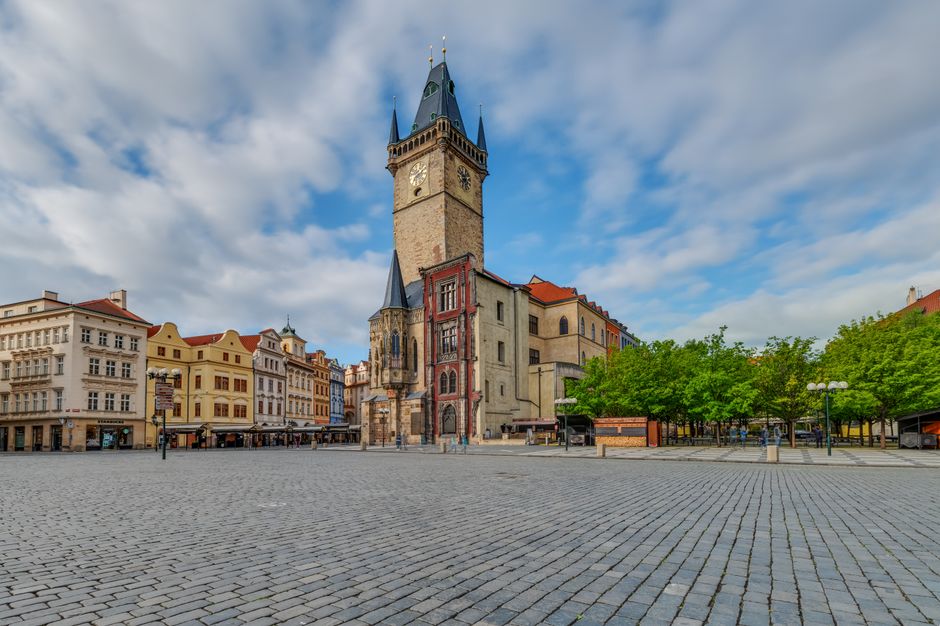
Photo by Miloš Steklý on Pexels
Ready to Pin This Journey?
Budget Europe travel transforms from distant dream to achievable reality through strategic planning, smart destination choices, and embracing local experiences over tourist attractions. Whether exploring Eastern Europe's medieval towns, Portugal's golden coastlines, or Greece's island villages, fifty dollars daily funds remarkable adventures across the continent. Start planning your budget Europe journey today, save strategically, and discover that travel's richness comes not from spending, but from intention and openness to authentic cultural immersion.

Photo by Mikael Root on Pexels
Prices and availability are approximate and may vary. Always verify with official sources before booking.
Comments
Post a Comment